Three Nutrition Tips for Eating Disorder Recovery in the Real World (Not Your Usual Advice)
Blog summary
Recovery nutrition doesn't need to be complicated. It needs to work in your actual life. Here are three practical nutrition lessons I wish more people not only in eating disorder recovery but every day life knew: plan for your real life, stop getting lost in nutrition details while missing the foundations, and make feeding yourself well easier. Because the goal isn't to eat perfectly. It's to build a way of eating that supports the life you're actually trying to live.
My Top 3 Nutrition Tips for Eating Disorder Recovery in the Real World (Not Your Usual Advice - from Someone Who's Been there and Bought the Shirt)
I feel like the longer I work with people recovering from eating disorders, the less I talk about food.
Which might sound strange coming from a dietitian working to guide people through recovery from eating disorders...
I spent four years at university learning about human nutrition, nutrients, metabolism, physiology, dietary requirements, the science of digestion and metabolism and everything in between.
And yet, after around a decade of working with people living with eating disorders, I've become increasingly convinced that knowing more about food isn't necessarily what creates freedom around food.
Because you don't have to spend very long with someone in eating disorder recovery to realise that it's rarely just about the food.
Food is often where the struggle shows up.
But underneath it can be fear, control, perfectionism,anxiety, shame, identity, self-worth, emotional regulation, habits, beliefs anddeeply learned associations.
So, if all we do is tell someone what they should eat to help their body recover, we can leave a very important part of the problem untouched.
Nutrition matters enormously in eating disorder recovery.
But how we eat has to work in the context of a real human life. Specifically your life.
There are ways of eating that make your life easier and fuel the life you're building.
And there are ways of eating that can make the life you want to live unnecessarily complicated, rigid, exhausting or in sometimes impossible.
So, after years of working with people in recovery, here are my top three pieces of nutrition advice for the real world.
1. Plan for your real life now, not just your imaginary future life

The majority of the women I work with are busy.
They have careers. Businesses. Children. Partners. Friends. Appointments. Meetings. Travel. Responsibilities. Commitments.
Their calendars are full.
And many genuinely enjoy cooking.
They like going to farmers' markets.
They like the idea of preparing beautiful meals from scratch.
They'd love to meal prep on a Sunday.
The problem is that they sometimes enjoy the idea of this life more than the reality of what it takes to maintain it.
Because then Tuesday happens.
You've worked all day.
The kids have soccer.
Someone forgot something at school.
You haven't been to the supermarket.
It's 7:30pm.
You're exhausted.
And there's nothing in the fridge.
So you're left thinking:
"What am I supposed to eat?"
And perhaps the answer becomes toast.
Or takeaway.
Or skipping the meal because it's too hard.
Then you tell yourself:
"I'll get organised next week."
But next week comes.
And life is still life.
This is where I want you to stop waiting for your life to calm down.
Plan for the life you actually have.
Even better:
Plan for your worst day.
Plan for the version of you who is:
- exhausted
- busy
- running late
- under pressure
- travelling
- parenting
- working
- unsupported
- not particularly motivated
- and absolutely not interested in cooking a complicated meal
Because if your nutrition plan only works when you're organised, energised and having an excellent week…
it's not really a plan for your life.
It's a plan for your fantasy life.
Make feeding yourself easier.
Have meals you can prepare quickly.
Keep foods you enjoy and will actually eat in the house.
Have options for nights when cooking isn't happening.
Use convenience foods.
Accept help.
Have a backup plan.
There is nothing morally superior about making food fromscratch every night.
The goal isn't to prove that you can do nutrition perfectly.
The goal is to create a way of eating that supports yourrecovery and your life.
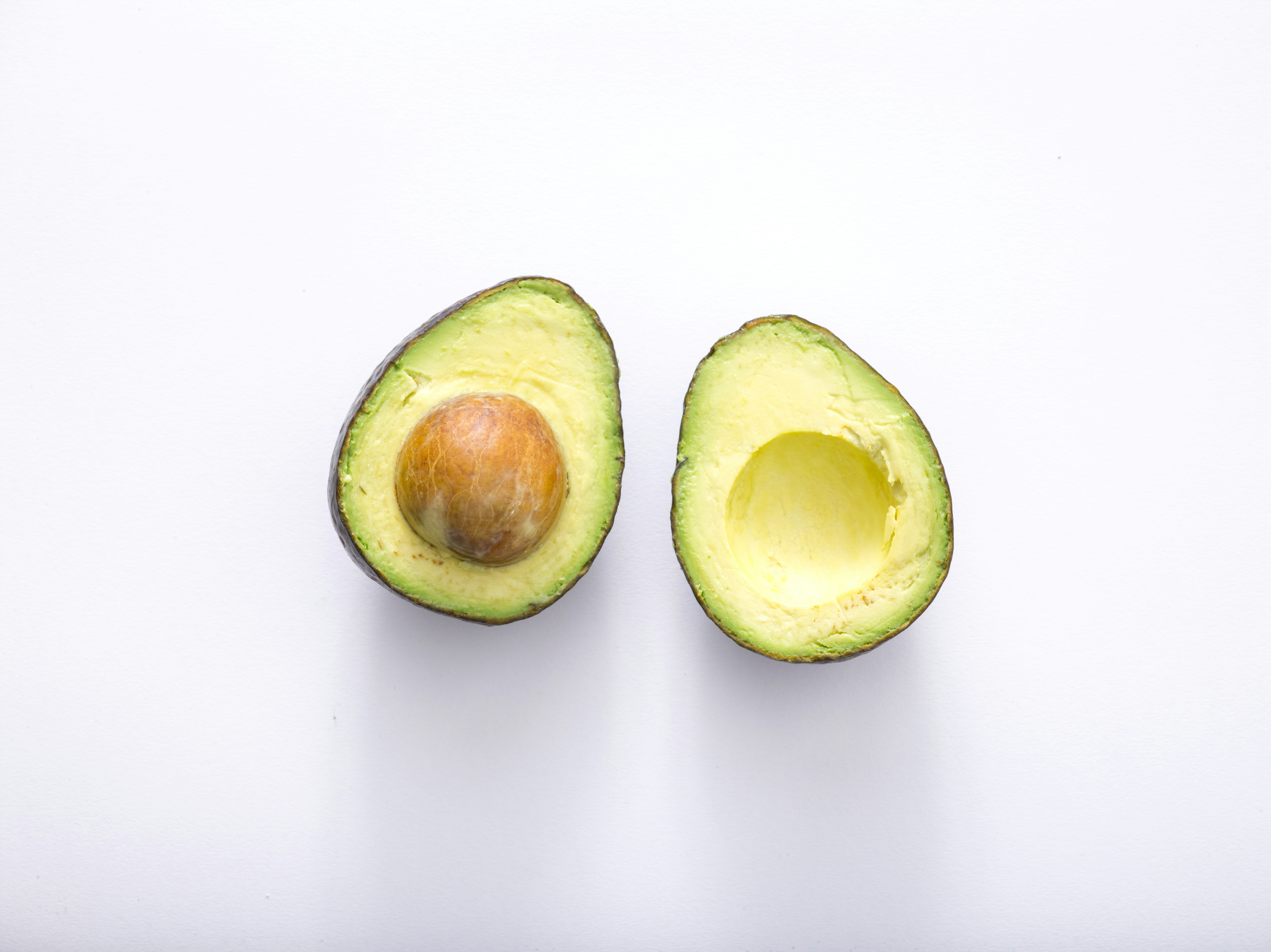
2. If you're stressing about how much avocado you can eat, you might be missing the point
Nuts.
Avocado.
Olive oil.
Peanut butter.
Fruit.
These are some of the foods I get asked about.
"How much avocado should I have?"
"Can I eat nuts?"
"Is a whole banana too much?"
And underneath these questions is often a much bigger fear:
"These foods are energy-dense. What if eating them makes me gain weight?"
But sometimes we become so focused on the details that we lose sight of the foundations.
I remember a client I worked with who wanted help with binge eating.
He was incredibly embarrassed by what was happening andcouldn't understand why he seemed to be losing control around food.
When we looked more closely at his eating, he'd heard somewhere that fruit contained "too much sugar" and should be limited.
So he'd started eating half a banana at breakfast.
Half.
By the end of the day, he was ravenous and regularly findinghimself eating large amounts of takeaway food in the evening.
The problem wasn't that his body was somehow broken.
He wasn't adequately fuelling himself earlier in the day.
His body was responding to an unmet need for food and energy.
This is why sometimes the most useful intervention isn't trying to make the evening eating stop.
It's asking:
"What happened earlier in the day?"
If you're carefully measuring out a small portion of nuts, eating a quarter of an avocado, avoiding peanut butter and cutting your banana in half…
…and then finding yourself exhausted at 3pm, obsessing aboutfood or feeling ravenous at night…
it may be worth looking at the bigger picture.
Because nutrition doesn't need to become another area whereyou are trying to achieve perfection.
Come back to the foundations.
Regular eating.
Adequate intake.
Consistency.
Variety - including foods from across and within the five food groups.
These fundamentals will get you a very long way.
You don't need to understand every micronutrient.
You don't need to optimise every meal.
You don't need to know the exact nutritional composition ofeverything you eat.
And you certainly don't need to spend your day trying to calculate whether you've eaten "too much" of one particular food.
Get the foundations right before worrying about the finer details.
And if you are recovering from an eating disorder, remember that your dietitian may intentionally recommend more food, more energy or more flexibility than the generic nutrition advice you see online.
That's because recovery has different nutritional needs to simply maintaining the status quo.
3. The freezer is your best friend
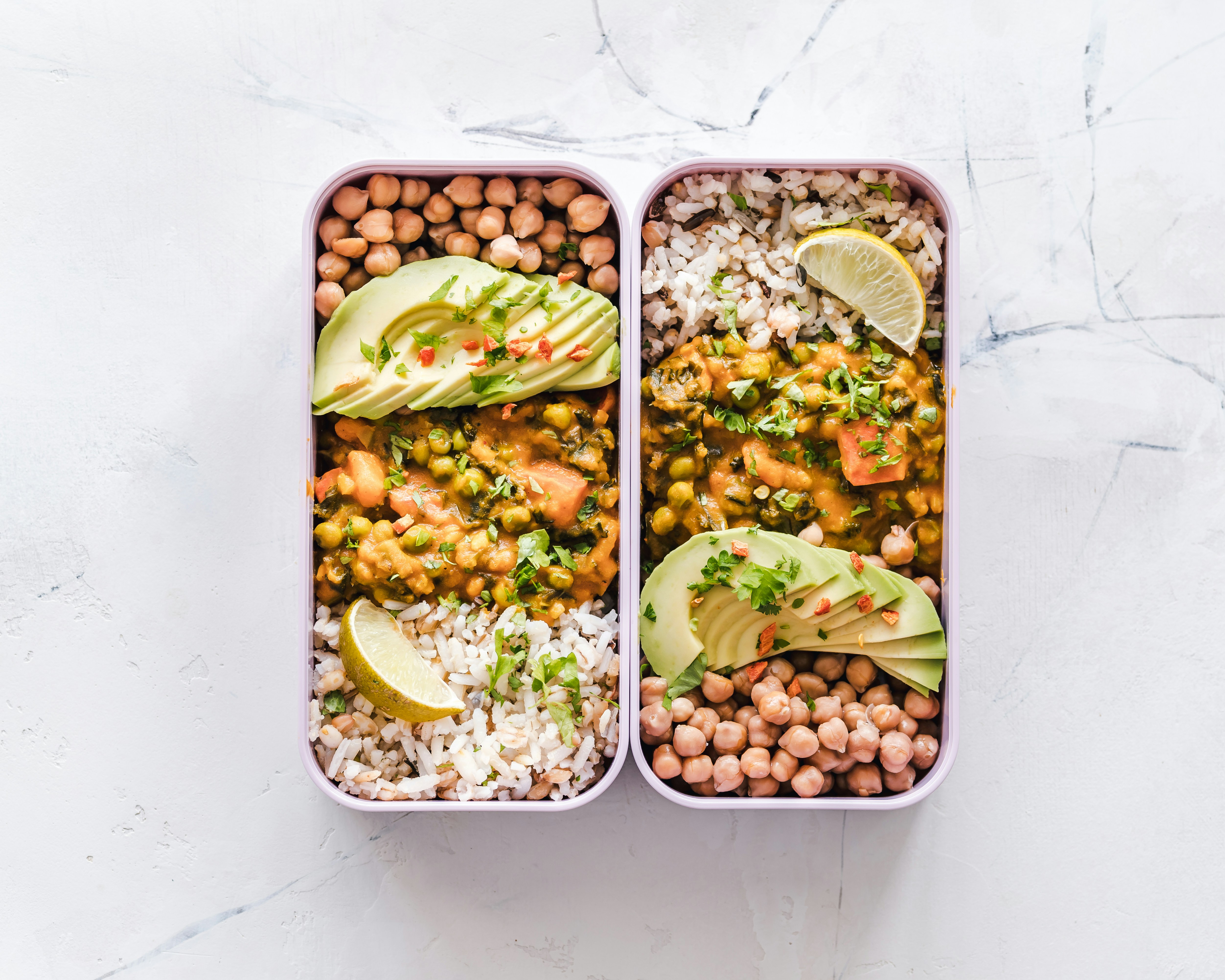
If you're living a full, meaningful life and you don't have a private chef, making food easier is not harming your health.
It's smart.
One of my mentors once said something that has always stuck with me:
Stress is the price you pay for having a full life.
Friends.
Family.
Work.
Travel.
Adventure.
Parenting.
Relationships.
Spontaneous invites.
All of these wonderful things can make life busy.
And while we can absolutely work on reducing unnecessarystress, we also need to accept that a meaningful life isn't always going to beperfectly organised nor stress free.
So instead of building a nutrition plan that requires lifeto be calm…
build one that can survive when life isn't.
This is where your freezer becomes incredibly useful.
Have frozen meals available for the nights when cooking isn't happening.
Keep frozen vegetables on hand.
Freeze portions of rice, grains or other staples. They thaw in the microwave perfectly.
Keep bread and muffins in the freezer.
When you make a curry, bolognese, soup or another meal thatfreezes well, make extra.
Future you will be very grateful.
And this isn't just about convenience.
It's about consistency.
Nutrition is a long-term game.
One meal doesn't determine your health.
One takeaway doesn't undo your recovery.
One day of eating differently doesn't make or break anything.
What matters is what you can do consistently over months and years.
So if putting a frozen meal in the microwave means you eat a nourishing meal instead of skipping it because you're too exhausted to cook…
that's a win.
If frozen vegetables mean you can put dinner together in ten minutes instead of deciding you can't be bothered…
that's a win.
If having bread in the freezer means breakfast is easy when you're running late…
that's a win.
Make the healthy, adequate and recovery-supportive choicethe easy choice.
Your future self will thank you.
The takeaway

Perhaps the biggest nutrition lesson I've learned through working with people living with eating disorders is this:
Nutrition should support your life, not become another thing your life revolves around.
Recovery doesn't require you to become the person who mealpreps perfectly, cooks everything from scratch, knows every nutrition fact andmakes the "perfect" food choice at every opportunity.
It requires you to learn how to adequately and consistentlynourish yourself in the life you actually live.
Sometimes that means cooking.
Sometimes it means leftovers.
Sometimes it means a sandwich.
Sometimes it means frozen vegetables.
Sometimes it means takeaway.
And usually, it means eating the full banana instead of half.
The goal isn't perfection.
The goal is creating a way of eating that gives you enough nourishment, flexibility and freedom to get on with living your life.
Because ultimately, food is supposed to be one part of yourlife.
Not the thing your entire life has to be organised around.
Want nutrition to feel simpler?
If you're tired of conflicting nutrition advice and want something that works within your actual life, this is exactly the kind of work I do with my clients.
To find out more about working together and creating your simpler and more empowering relationship with food head to this page of my website Beyond Stuck: 12 Week Eating Disorder Recovery Intensive
Similar articles



It’s Possible to Feel Free Again
If you're ready to make peace with food, your body and your mind - let's talk
Bonnie works with a limited number of clients each month to ensure depth and lasting change.