Should People in Recovery from Eating Disorders Work in Eating Disorder Treatment?

It’s been a while now since I saw the post on Instagram that gave rise to this blog. The post was shared from someone working in the space of eating disorder recovery who was themselves living with an eating disorder. This situation stuck in my mind as an important area to expand upon when I had the time.
Because I've lived two (very) different lives in relation to how I feel about this. One when I lived with anorexia and was studying to become a dietitian and wanted nothing more than to heal the world and another in my life in the years I've worked in eating disorder treatment long after being recovered myself.
Now is the time to share.
What Does Somone in Recovery from an Eating Disorder Have to Offer to Others in Recovery?
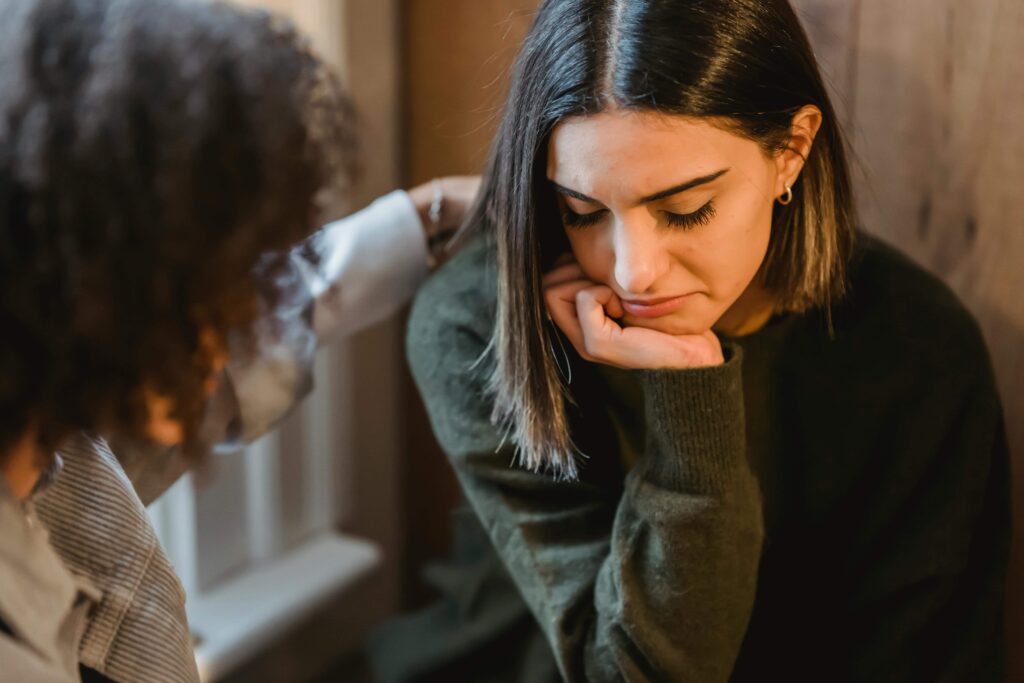
What does someone in recovery from an eating disorder have to offer when helping someone else in recovery from an eating disorder versus what does someone in recovery from an eating disorder need in someone helping them recover?... A long-winded question for a no doubt controversial answer I’m about to offer.
Firstly, someone living with an eating disorder in a position to treat those in recovery from eating disorders (such as a therapist, doctor or dietitian) is well positioned to offer understanding, insight and empathy.
I know when I lived with an eating disorder and was training to become a dietitian I had no lack of empathy. I had no lack of desire to help others feel loved and live better lives.
I craved it for others while I wasn’t (yet) able to give it to myself.
And that is the part I want to discuss.
I craved for others to love and care for themselves in a way that I now recognise was overcompensating for what I did not feel within myself.
I wanted to fix the world when I hadn’t even fixed myself yet.
The longer I work in the eating disorder field the more I see that, as harsh as this may sound to begin with (but hear me out), empathy and bottomless love and even understanding are not what people in recovery from eating disorders need most.
It’s a necessary given but alone not what’s going to help people heal in the long run.
For many reasons firstly, believe me they’re not going to take it, feel it or believe it.
That is until they believe it and feel it for themselves.
Therefore, what they need is people who can help them to learn how to feel it for themselves, so they don’t need to continue to try to get this from the outside world (where it is always limited, conditional and not always available in a form that works for us).
When you’re able to give yourself what you desire from others you will never feel deprived.
What Helped Me Recover (and What Someone in Recovery from an Eating Disorder Cannot Offer)

It may surprise you to know that the clinical hypnotherapist I worked with and who truly helped me recover after fifteen years of being utterly controlled and consumed by anorexia nervosa never told me I could recover.
In fact, I don’t think she ever “reassured” me of anything.
I don’t even think she was particularly empathetic towards me and she certainly didn’t understand what I was going through.
What I realised then and realise more now in hindsight was that this succeeded because I didn’t need empathy.
I didn’t need to be mollycoddled and told things were going to be ok, that I was loveable and shouldn’t feel guilty or to be presented with more distraction tactics (an eating disorder is one big distraction from all your short fallings, many of which are very real and need to be worked on versus distracted from).
I didn’t believe the mollycoddling I was offered by other health professionals I’d worked with over the years so the truth was it just grated on me, or I wrote it off like water off a duck back. And to be honest it was insincere because the therapists that say this stuff cannot know whether it is true or not that you will actually recover or that you can actually do this. To be reassured that you can “do it” when you don’t think or know yet if you can is more harmful then helpful because it down plays your struggles and like I said before it’s actually an outright lie. They don’t know if you can or you can’t. No one does until you do.
What I really needed to succeed at recovery was a plan.
What also would have been nice was to know recovery was possible. Not inevitable and not a given but possible. Which is why meeting and working with people who had recovered is one of the things that I feel helped me to change my view of what was possible. Meeting people who’d recovered showed me that an eating disorder wasn’t a life sentence and that recovery truly was possible. You can’t argue with that direct experience.
What I needed wasn’t more empathy or someone to even try to make me feel better right now. It was to work with someone who had clarity with what I wanted and the skills to help me get myself there. What I needed was someone who could facilitate me to become empowered in my own life (and I truly don’t know a group of professionals better trained to do this than clinical hypnotherapists).
I can give you an example of what I mean here. I remember listening to a TEDx talk (also a long time ago so I have no idea the name of the talk to reference it) where a lady was talking about helping her clients (I can’t remember what role she was in, but I think a therapist of some kind). She told the story of a client crying about not having any friends or people to catch up with on the weekends. In that moment the therapist wanted to give the client her number, so she had someone to call, so she had a friend. Because she wanted to make her client feel better in that moment. But what she said was that she also realised was that her client didn’t actually need her to fix her problem in that moment. It wasn’t a problem that could truly be fixed in that moment. There were real world actions this client needed to take to fix her problem. What the client really needed was to develop the skills within herself to go out into the world and make her own real friends.
That little snippet of the talk has stuck with me because so often when we see others in psychological pain we just want to remove it or distract them from it but what people really need if they are to overcome this pain is to address it themselves and work with it in a way that they develop the skills and resources that it becomes less of a problem or not a problem in their lives at all.
Imagine the difference between a therapy session where you go along and when you share your problems the therapist tries to fix them with reasonable and rational suggestions and ample amounts of genuine care versus one where you share your problems and the therapist facilitates and guides you to work with your mind to overcome them yourself in a solid and reliable way that fits in with the life you are building and is more of a curious experiment than a task to get right or wrong.
The truth is we all know the timeless adage “actions speak louder than words” and then forget to take actions as if it’s true. You can tell someone until you’re blue in the face that they are amazing, worthy, loveable and enough but if you are treating yourself as though you are not these things (and if you are living with an eating disorder you are treating yourself as if you are not these things) that is what shines though (even if you think you do such a good job of covering it. I can assure you, you don’t).
Summary

I have no doubt about the genuine empathy, care and desire for those living with eating disorders to help other people recover from eating disorders. That is not up for question.
What I am talking about here is the very real and practical difference between wanting to help and being able to help in the way someone needs. They are not the same thing.
I have no doubt that people living with eating disorders make incredible, supportive, understanding and caring people to talk to for those in recovery from eating disorders (I certainly did when I was struggling myself. I cared so much) and still this is not the same thing as helping someone recover.
Yes, we all need to start from a place of being heard and validated in our struggles, even some understanding helps us feel safer, but validation and understanding alone are not enough to empower someone who is truly stuck to make massive life change. They are not enough to overcome an eating disorder.
In order to help someone really recover from an eating disorder I do believe there is a key ingredient and that is to truly know and believe it is possible. And the only way to truly believe and to know in your heart of hearts that it is possible is to have done it.
Experience trumps theory every time.
Therefore, if you haven’t done it and you’re still trying to do it while trying to help others do it, I encourage you to take the time to do it first. Walk the path. Discover what it takes and what you can then share is invaluable.
I understand that this is likely a touchy and controversial subject as I remember briefly looking at the comments in the original Instagram post that inspired my writing on this topic and the comments were largely in favour and support of people living with eating disorders working in a professional role (for example dietitian, doctor or psychologist) helping those in recovery from eating disorders. Therefore, I have to end on this note. As with all my blogs this is my take. It is not the be all and end all but simply an opinion amongst many other opinions. None the less it is a heavily informed and knowledgeable opinion from someone who has lived both sides – one of being sick and wanting to and trying to help others recover and also of being someone who recovered and goes about helping people recover in a very different way than I thought I would when I was still struggling.
If nothing else this blog reflects my own reflection that I wished I’d have taken the time to recover from the eating disorder rather than feel like I was running out of time, that I’d wasted so much time, that I needed to do more, achieve more, help more and be more. I wish I’d let go of all the noise. Focused on healing me rather than trying to heal the world and then went on with life. Because the before was not the same life I went on with.
Wanting to help others is a beautiful thing. Your ability to help will always be limited by your ability to help yourself and perhaps nowhere is this more true than in eating disorder recovery. What we need more than anything is authentic humans who have their sh*t relatively together (not perfect!) who we can respect and who inspire us to do and be better. That is where true healing begins.
With my whole heart I hope you find this information thought provoking and valuable.

Become Great. Live Great.
Bonnie.
Similar articles



It’s Possible to Feel Free Again
If you're ready to make peace with food, your body and your mind - let's talk
Bonnie works with a limited number of clients each month to ensure depth and lasting change.